Shopping route
A UK Mobile Contract Upgrade Check Before You Commit
How to compare handset cost, airtime, data, trade-in, roaming, early upgrade fees, and refurbished alternatives.
By Affiliate Project Editorial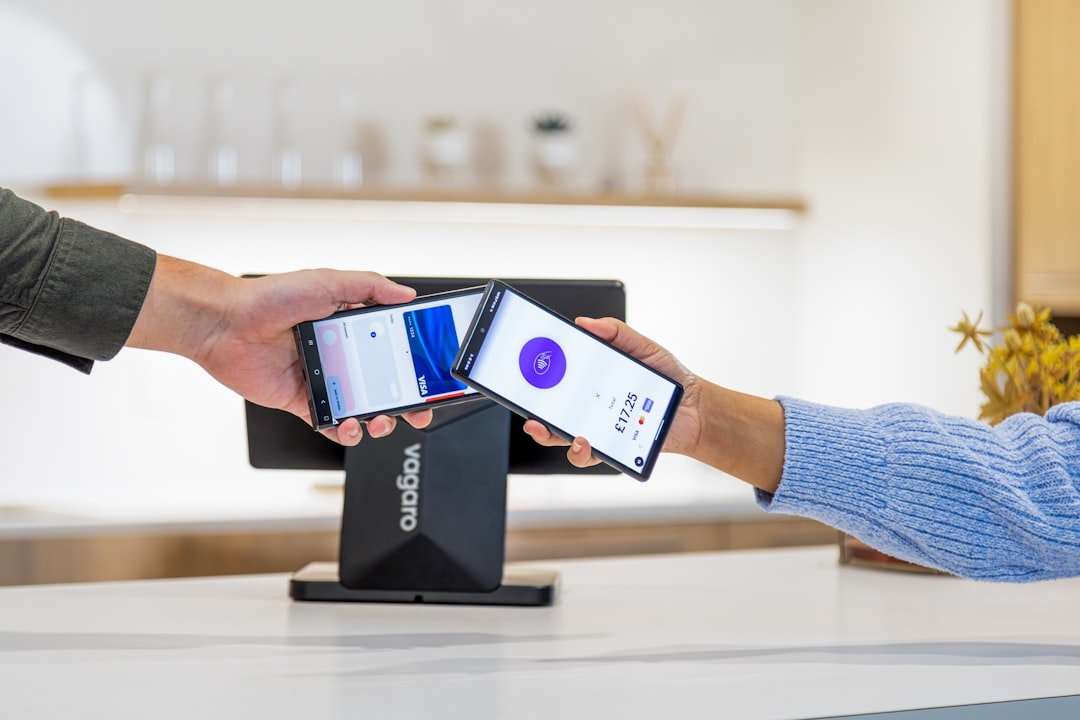
Separate handset cost from airtime and data cost.
Check trade-in, upgrade, roaming, and early exit terms.
Compare SIM-only and refurbished options before a new contract.
A monthly payment can hide a higher total cost.
This is general shopping guidance. Prices, voucher eligibility, delivery, returns, loyalty rules, subscriptions, and travel terms can change. Confirm the current details with the retailer before paying.
A UK Mobile Contract Upgrade Check Before You Commit is a practical checkout guide, not a promise that one code or sale badge will be the best route every time. Use it when the basket is nearly real and you need to know whether the discount, delivery route, eligibility rule, or return term still works after the full cart is visible.
The useful starting point is the desk, kitchen counter, phone plan, or appliance space. Name the purchase first, then use the offer as a tool. That order keeps Currys, and Argos and similar retailers from turning a planned buy into a larger basket simply because a promotion looks available.
Quick answer
The short answer: treat a uk mobile contract upgrade check before you commit as a final-basket check. Decide what you actually need, test the official sale or offer route, read the exclusions, and compare the price after delivery, collection, account eligibility, and returns. A discount is useful only when the final basket still matches the original need.
This matters because how to compare handset cost, airtime, data, trade-in, roaming, early upgrade fees, and refurbished alternatives. A code can look strong before minimum spend, delivery fees, loyalty rules, or returns appear. A sale page can look weak until it beats a voucher once the exact item is selected.
- Separate handset cost from airtime and data cost.
- Check trade-in, upgrade, roaming, and early exit terms.
- Compare SIM-only and refurbished options before a new contract.
- A monthly payment can hide a higher total cost.
Step 1: Define the purchase before opening offer pages
Start with the item, quantity, timing, and reason for buying. If the purchase is vague, almost any promotion can feel relevant. If the purchase is specific, the offer has to prove it helps the real basket rather than creating a new one.
For this topic, write one plain sentence before searching: what you need, when you need it, where it will be used, and what would make you send it back. That sentence becomes the filter for retailer pages, app offers, voucher boxes, loyalty prices, and collection options.
- Name the item or category before checking codes.
- Set the maximum quantity you can store, wear, use, or return comfortably.
- Decide whether timing, delivery, collection, or return convenience matters more than the headline discount.
- Keep one acceptable alternative in mind so a failed code does not force a rushed decision.
Step 2: Check the terms in the order they affect the basket
Read the rules from most practical to least practical. The usual order is eligibility, excluded brands or categories, minimum spend, delivery or collection cost, return window, and payment timing. If one of those breaks the basket, the code does not need more testing.
The best habit is to compare the pre-discount basket, the discounted basket, and the final basket after delivery. That three-number check catches the common mistake of celebrating a code before the actual checkout total appears.
- Check exact model number before comparing the discount.
- Check warranty and returns before adding a filler item.
- Check delivery, installation, or recycling fees before trusting an offer badge.
- Check bundle items you will actually use before deciding that the basket is finished.
Step 3: Compare official routes before relying on a random code
A typed voucher code is only one route. The official sale page, outlet area, app offer, loyalty price, student or NHS verification page, price-match promise, and click-and-collect option may change the final result. Open the retailer route that matches the purchase before trying scattered codes.
For a UK shopper, the cleaner route often wins even when the headline saving is smaller. Clear delivery dates, a reliable return process, and an offer shown by the retailer can be worth more than a code that works only after changing the basket.
Do the total-cost check
A mobile upgrade can look affordable because the cost is split across months. Before comparing offers, separate handset cost, airtime, data, roaming, insurance, trade-in value, and any early upgrade or exit terms.
A SIM-only plan, refurbished handset, or waiting for a seasonal phone deal may be stronger than a new bundle if your current phone still works.
Use this note as a reality check rather than a shopping rule. If it helps the original basket stay cheaper, clearer, or easier to return, it earns a place in the decision. If it makes the basket bigger or less certain, pause before checkout.
- Calculate total contract cost.
- Check roaming and data limits.
- Check trade-in and upgrade rules.
- Compare SIM-only before accepting a handset bundle.
Three common shopping scenarios
The same offer can behave differently depending on the shopper. Use these scenarios to decide whether a uk mobile contract upgrade check before you commit is helping the real purchase or just making the promotion feel more exciting.
Good fit
The item was already on the list, the final price is visible, and the terms match the way you need to receive or return it. In that case, the offer can be a useful route rather than a distraction.
- The basket still passes the exact model number check.
- Delivery or collection fits the week.
- The return route is acceptable if the item disappoints.
Needs more checking
The saving looks real, but one practical detail is still unclear. This is where shoppers should slow down and check account rules, delivery fees, item exclusions, or stock before trusting the headline.
- Review warranty and returns.
- Review delivery, installation, or recycling fees.
- Compare the official retailer page against the code route.
Skip for now
The offer only works after adding items you did not need, accepting awkward terms, or switching to a product you do not know. Skipping protects the budget just as much as finding a working code.
- The basket grew to unlock the offer.
- The main risk is comparing headline prices while missing the model variant, warranty length, or ongoing contract cost.
- The return or cancellation route feels too tight.
Buying check before you commit
Before paying, read the basket as if the discount disappeared. Would you still choose the item, quantity, retailer, and delivery method? If the answer is no, the promotion is probably leading the decision instead of supporting it.
This check is especially useful with Currys, and Argos, because different retailers can make the same purchase feel cheaper in different ways: price, delivery, loyalty value, pickup convenience, returns, or customer account benefits. The best route is the one that fits the whole basket.
- Final basket total is visible and includes delivery, collection, or booking fees.
- The offer applies to the exact item, size, model, date, or account you are using.
- Return, refund, cancellation, or exchange rules are acceptable for this purchase.
- No extra item was added only to chase a threshold, gift, or loyalty bonus.
- The retailer route is clear enough that you can explain why this basket won.
Common mistakes
The biggest mistake is treating the first visible saving as the answer. The first saving may be real, but it may not be the best route after eligibility, delivery, returns, or timing are included.
Another mistake is ignoring the practical risk: comparing headline prices while missing the model variant, warranty length, or ongoing contract cost. A good offer should reduce friction, not add uncertainty that becomes expensive later.
- Testing codes before deciding what belongs in the basket.
- Comparing discounts without checking the final delivered or collected price.
- Ignoring exclusions because the code appeared to apply at first.
- Letting a threshold create a filler item that costs more than delivery would have cost.
- Assuming an old code, app badge, or account offer will still work today.
FAQ
Q: Should I always search for a voucher code first? A: No. Start with the official sale, offer, or account route, then test codes that still match the basket. Random code searches are more useful after the purchase is defined.
Q: What if two retailers are close on price? A: Choose the route with clearer delivery, returns, account terms, and product confidence. A slightly smaller saving can be better if it removes uncertainty.
Q: Are loyalty prices, student discounts, and sale pages the same as voucher codes? A: No. They are different routes with different rules. Treat each route separately and compare the final basket, not just the headline wording.
Q: When should I stop checking? A: Stop when the final basket matches the original need, the terms are clear, and another search is unlikely to change the decision without adding new items or new risk.
Official check
Use current terms for the final decision.
Save the page, date, and final basket details that materially affect the purchase.
Continue the route
Three nearby decisions.

Compare Refurbished Tech Beyond the Discount
Check seller, cosmetic grade, battery information, accessories, warranty, returns, and security support before price.
Read the route
Use the Exact Model Number When Comparing Electricals
Small suffixes can change storage, screen, accessories, generation, warranty route, and whether two prices are comparable.
Read the route
Check Trade-In Value, Timing, and Data Wipe Before Upgrading
Treat the quoted value, inspection rules, device handover, backup, account removal, and payment timing as one route.
Read the route